According to the International Osteoporosis Foundation, osteoporosis affects around 21 percent of women and 6 percent of men over age 50. This condition causes bones to become thinner, weaker, and more brittle, increasing the risk of bone fractures. Keep reading to find out more about what osteoporosis is and some of the signs to look out for.
What Is Osteoporosis?
Your bones are supposed to be dense and strong enough to support your weight and absorb impact. As you get older, your bones naturally lose some density, and their ability to regrow themselves decreases. Osteoporosis is a disease that causes your bones to become much weaker and more fragile than they should be. Individuals with osteoporosis are much more likely to experience bone fractures, especially in the hips, spine, and wrists. Unfortunately, many people do not know they have osteoporosis until it causes a broken bone. The sooner you are diagnosed with osteoporosis, the sooner you can get care, and the less likely you are to experience bone fractures.
Signs of Early-Stage Osteoporosis
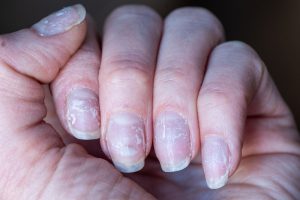 It’s not common to notice early signs of bone loss, and most people don’t know they have fragile bones until they experience a bone fracture. However, there are a few signs other than changing bone density that may indicate potential bone loss. You should get checked by a healthcare professional if you notice the following signs of early-stage osteoporosis:
- Weak or brittle fingernails – Nail strength can be indicative of bone health. However, there are a lot of other factors that can affect your nails, such as exposure to chemicals or hot or cold temperatures.
- Gum recession – If you are losing bone mass in your jaw, your gums may recede. You should ask your dentist to screen for bone loss in the jaw if you notice gum recession.
- Weaker grip strength – Research has found that low grip strength may be linked to low bone density. Additionally, weaker grip strength can increase your risk of falls.
Symptoms of Later-Stage Osteoporosis
When bone mass and density have declined further, you may notice more obvious symptoms of osteoporosis. These may include:
- Back or neck pain – Osteoporosis can cause compression fractures in the spine, which can be very painful if they pinch the nerves around the spinal cord. Back or neck pain can range from minor discomfort to debilitating pain.
- Loss of height – The compression fractures in the spine caused by osteoporosis can make you lose height. Becoming shorter is one of the more noticeable signs of the disease.
- Stooped back – The compression of vertebrae in the spine can also cause a curve of the upper back. This stooped posture is known as kyphosis, and it can result in back and neck pain. It can also add extra pressure on the airway, limiting lung expansion and making it more difficult to breathe.
- Bone fracture – One of the most common and obvious symptoms of osteoporosis is a bone fracture that occurs from a fall or minor movement. Some osteoporosis fractures can be triggered by actions like stepping off a curb or even a strong cough or sneeze.
Diagnosing Osteoporosis
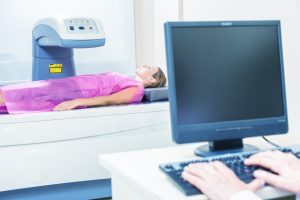 To test for osteoporosis, a healthcare professional can measure your bone density with a dual energy X-ray absorptiometry (DXA) machine. This machine scans your hip and spine to measure how the density of your bones compares to other people of your age and sex. This is the primary diagnostic test for osteoporosis, and it only takes around 10 to 15 minutes. A doctor may also use ultrasound on your heel to diagnose or confirm a diagnosis of osteoporosis.
Osteoporosis Prevention
Osteoporosis increases the risk of bone fractures, especially of the hip, spine, and wrist. These fractures can raise your risk of disability or even death. This is why it’s important to take action to prevent bone loss and maintain bone density. Some things you can do include regular weight-bearing exercises, eating plenty of calcium, getting sufficient vitamin D, avoiding falls, and stopping the use of unhealthy substances such as smoking or alcohol overconsumption. You can also try taking strontium supplements, as this mineral has similar properties to calcium and has been found to help reduce vertebral fractures. If you’re looking for a complete bone health supplement, OsteoPrev has all the vitamins and minerals you need to support healthy bone density and strength, including calcium, vitamin D, vitamin K, magnesium, phosphorus, selenium, manganese, and more.
Are you interested in finding out more about ways to increase your bone density and reduce your risk of osteoporosis? Here at the Institute for Progressive Medicine, we take the time to listen and understand who you are and what we are treating, and then we’ll work with you to customize a treatment plan that fits your unique health needs. Schedule an appointment with the experts at Institute for Progressive Medicine today to start improving your bone health and overall wellness!
